Introduction: Why the Bridge Crossing Puzzle Still Fascinates Millions

Among the world’s most famous logic challenges, the Bridge Crossing Puzzle stands out as a timeless classic. Despite its simple setup—four people, one bridge, one flashlight—it continues to challenge students, adults, interview candidates, and puzzle lovers around the world.
What keeps this puzzle alive is not its difficulty but its cleverness. It forces the brain to think beyond obvious moves and consider deeper strategy. People solve it using logic, pattern recognition, and time-management skills, which is why this puzzle is often used in job interviews and educational environments.
In this long-form guide, you’ll learn everything about the Bridge Crossing Puzzle, including:
- How the puzzle works
- Common mistakes beginners make
- The optimal solution
- Why the strategy works
- Variations of the puzzle
- Real-world skills it helps develop
By the end, you’ll not only understand the solution but also think like a puzzle master.
Understanding the Setup: What Makes This Puzzle Tricky?
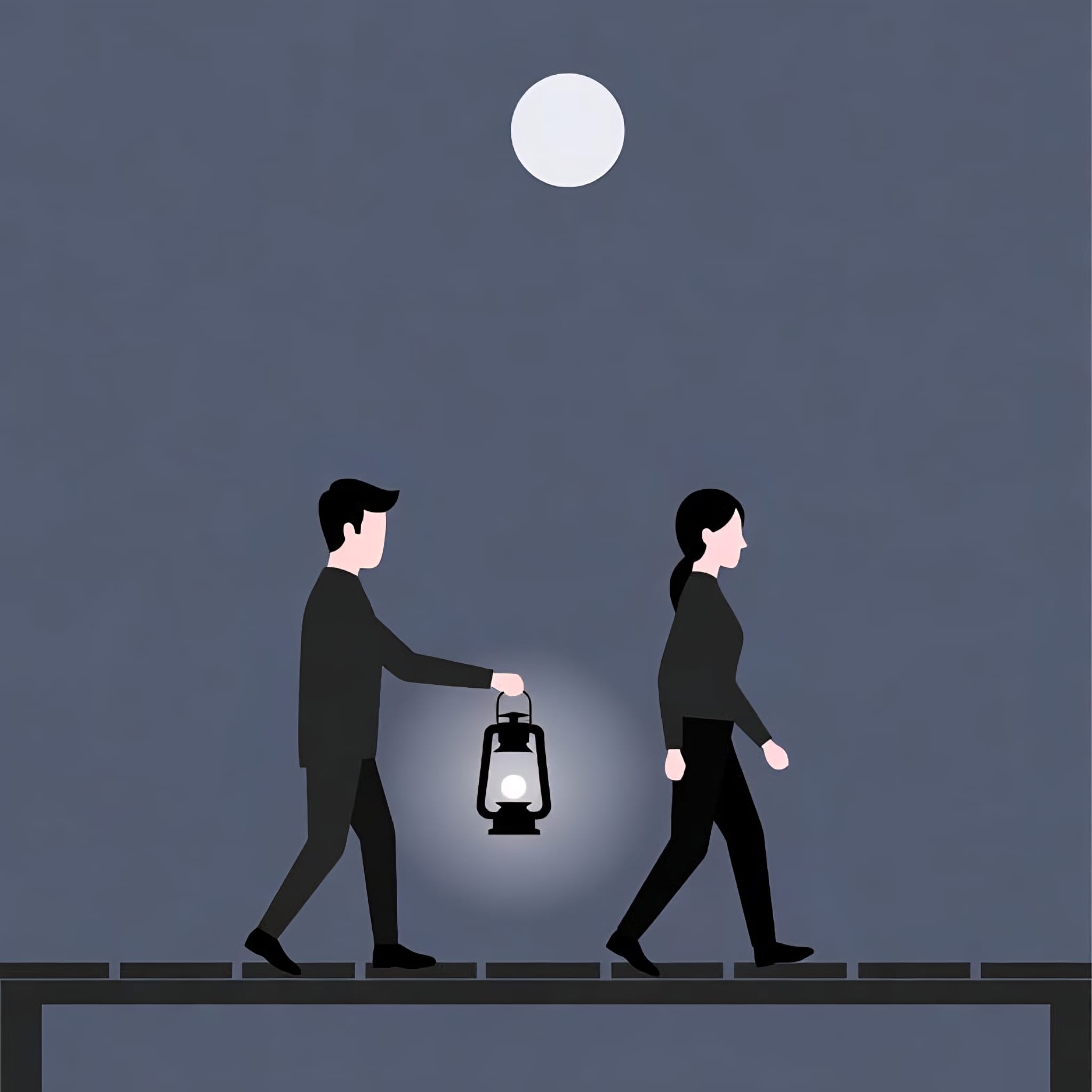
To fully appreciate the Bridge Crossing Puzzle, you need to understand the rules clearly. The most common version involves four people attempting to cross an old, unsafe bridge at night.
The Crossing Rules
- Only two people can cross the bridge at one time.
- They must use a single flashlight to see their way.
- When two people cross together, their speed is determined by the slower person.
- Someone must bring the flashlight back if others still need to cross.
Walking Speeds in the Classic Puzzle
Each person walks at a different speed:
- Person A: 1 minute
- Person B: 2 minutes
- Person C: 7 minutes
- Person D: 10 minutes
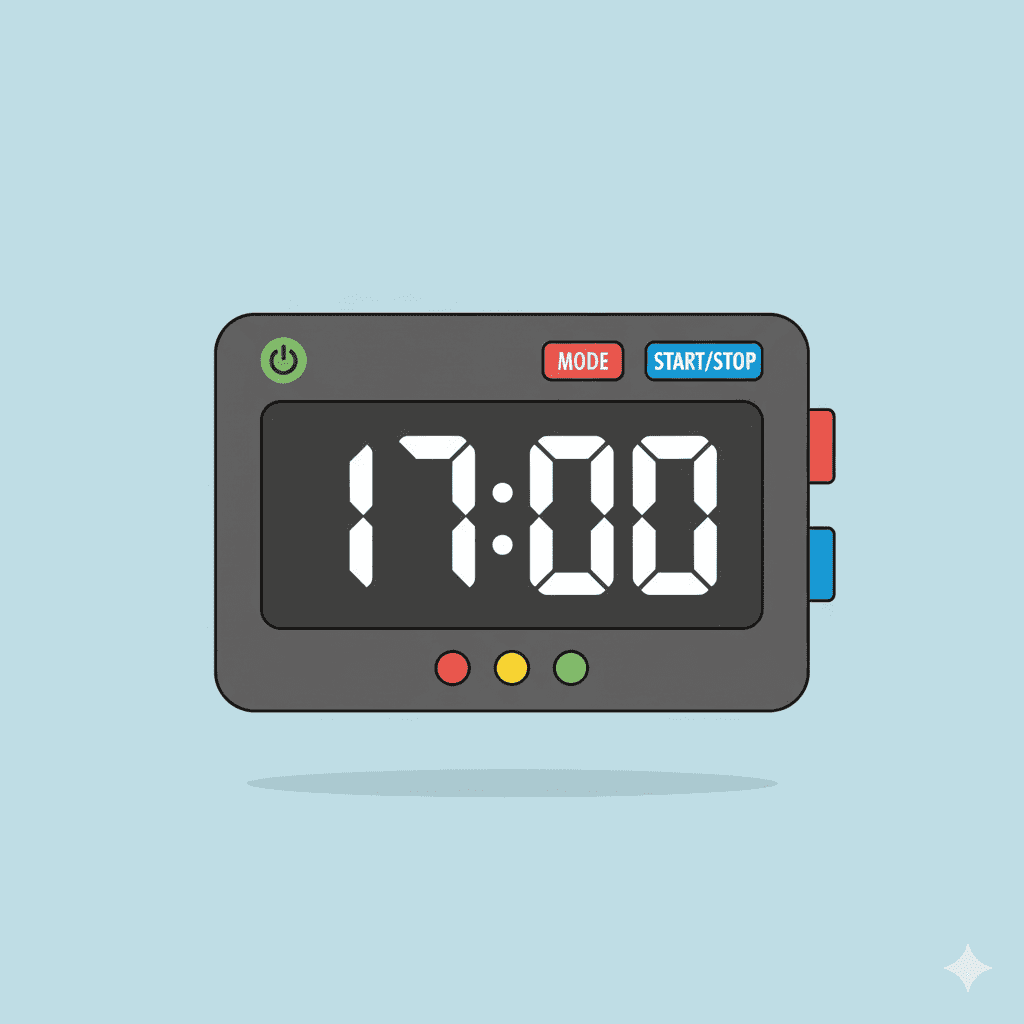
You must get everyone across the bridge in 17 minutes or less.
The challenge is not the math — it’s choosing the correct pairings.
Why the Bridge Crossing Puzzle Is Harder Than It Looks
At first glance, many people think the solution is straightforward:
Just send the fastest person back and forth, right?
Actually… no.
This intuitive method wastes a huge amount of time. The genius of the puzzle lies in understanding that slow walkers must cross together, not separately. Each time a slow walker returns, the total crossing time balloons — sometimes by 20 minutes or more.
This is why the Bridge Crossing Puzzle is used to test:
- Strategic thinking
- Efficient planning
- Logical reasoning
- Ability to avoid obvious but incorrect solutions
Even highly intelligent people often fall for the “fastest returns every time” trap.
Common Beginner Mistake: Letting Fast Walkers Do All the Work
A typical beginner solution looks like this:
- A + D cross (10 minutes)
- A returns (1 minute)
- A + C cross (7 minutes)
- A returns (1 minute)
- A + B cross (2 minutes)
Total: 21 minutes – NOT optimal.
This solution fails because the slow walkers cross separately, doubling wasted time.
The Optimal Strategy: Pair the Slowest Together
To solve this puzzle efficiently, you must minimize the number of slow crossings. Slow walkers should:
- Cross together once
- Never return
The fastest walkers act as the “flashlight runners,” handling all backtracking.
This strategy is the secret behind the famous 17-minute solution.
Solution
Step-by-Step 17-Minute Solution Explained
Let’s break down the optimal solution cleanly and logically:
Step 1: A and B cross together
🕒 Time taken: 2 minutes
They are the two fastest walkers, so this makes sense.
Step 2: A returns with the flashlight
🕒 Time taken: 1 minute
A is the fastest, so the return is quick.
Step 3: C and D cross together
🕒 Time taken: 10 minutes
This is the most important move.
The two slowest cross only once. No wasted returns.
Step 4: B returns with the flashlight
🕒 Time taken: 2 minutes
B is the second fastest, so sending him back is efficient.
Step 5: A and B cross again
🕒 Time taken: 2 minutes
This final trip completes the crossing.
Total Time:
2 + 1 + 10 + 2 + 2 = 17 minutes
This is the minimum time possible.
Why This Solution Works Better Than All Others
This strategy succeeds because it follows three powerful logic principles:
1. The Slowest Should Cross Together
If C (7 min) and D (10 min) cross separately, your time instantly becomes much worse.
2. Only Fast Walkers Should Return
Letting slow walkers return wastes enormous time.
3. Optimize Flashlight Transfers
The key is minimizing how often the flashlight travels with slow walkers.
These principles apply not only to this classic scenario but also to harder variations.
A Deeper Look: What This Puzzle Teaches the Human Brain
The Bridge Crossing Puzzle isn’t just entertainment — it’s a cognitive workout. Here’s what you gain:
1. Efficient Thinking Under Constraints
You must choose the best option under limited resources:
- One flashlight
- Two-person limit
- Multiple speeds
This mirrors real-world planning problems.
2. Recognizing Patterns
You begin noticing useful patterns such as:
- Pair slow walkers together
- Fastest walkers handle returns
Recognizing patterns is a core part of high-level problem-solving.
3. Long-Term Planning
You must think several moves ahead, like in chess.
4. Avoiding the “Greedy” Strategy
A greedy solution focuses on the next immediate gain.
But the best solution focuses on total cost, not momentary benefit.
Variations of the Bridge Crossing Puzzle
The classic puzzle is just the beginning. Many variations exist to increase difficulty.
1. The Five-Person Version
This adds a new person with a different time.
Finding the optimal solution becomes harder.
2. Limited Battery Flashlight
The flashlight only works for a set number of minutes.
Every second matters.
3. Dangerous Bridge Gaps
People may risk falling unless accompanied by someone faster.
4. Items That Must Be Carried Across
Some versions include objects like food, tools, or medicine.
5. Different Return Rules
Some puzzles allow:
- Throwing the flashlight
- Multiple return tools
- No returns after a certain point
Each variation requires new strategic thinking.
Real-Life Applications of the Bridge Crossing Logic
Surprisingly, the thinking behind this puzzle appears in many real-life situations.
1. Project Management
Choosing the right people for tasks based on efficiency helps minimize total time.
2. Traffic Planning
Managing bottlenecks (like bridges or tunnels) requires similar sequencing.
3. Emergency Evacuation
Authorities use optimization logic to evacuate large groups efficiently.
4. Software Engineering
Algorithms often optimize resource usage under constraints — exactly like this puzzle.
5. Logistics & Supply Chain
Balancing speed, load limits, and timing mirrors the logic of the puzzle.
Conclusion: Why You Should Master the Bridge Crossing Puzzle
The Bridge Crossing Puzzle is a perfect mix of simplicity and depth. It teaches strategic thinking, logical analysis, and efficient planning — all while being fun and engaging.
The most important lessons from this puzzle are:
- Slowest walkers must cross together
- Fast walkers handle the returns
- Think long-term, not short-term
- The smartest solution isn’t always the most obvious
Understanding these principles not only helps you solve the puzzle but also improves your problem-solving skills in daily life, work, and decision-making scenarios.
Yes. No other combination allows all four people to cross in less than 17 minutes.
Because splitting them forces multiple long crossings, dramatically increasing the total time.
Yes. If A and B don’t handle the returns, the solution becomes much slower.
Yes. The Bridge Crossing Puzzle is also known as the Torch and Bridge Problem.
For bigger versions, various optimization algorithms are used, such as:
Greedy strategies
Heuristic evaluation
Dynamic programming
👉 If you enjoy tricky thinking challenges, try this Missing Coin Mystery brain teaser that confuses almost everyone.
👉 Think your observation skills are strong? Try this mushroom optical illusion challenge next.
Want a real brain workout? Try this classic river crossing test.